
In today’s rapidly evolving landscape of aerospace training and emergency preparedness, simulation-based scenarios have transitioned from ancillary tools to core components of professional development for aviation and rescue personnel. The sophistication of these digital environments demands rigorous development processes, industry-specific expertise, and strategic insights. Among the notable innovations in this domain is the About game. — an advanced air rescue simulation platform that exemplifies contemporary standards in immersive training. This article explores how such simulation systems are reshaping operational readiness and the critical factors underpinning their credibility.
The Rise of Simulation in Aerial Rescue Operations
Traditional training methods, once reliant on physical drills and classroom instruction, have increasingly integrated digital simulation to enhance safety, reduce costs, and expand scenarios. Particularly in air rescue—the vital task of responding to emergencies such as natural disasters, aircraft crashes, or maritime incidents—timely, accurate decision-making is paramount. Modern simulators, like the one detailed in About game., enable trainees to engage with complex, real-time scenarios that mirror unpredictable conditions faced in the field.
Core Features Driving Credibility and Effectiveness
| Attribute | Description | Industry Impact |
|---|---|---|
| Realism & Fidelity | High-fidelity graphics, physics engines, and environmental modeling recreate authentic rescue environments. | Enhances decision-making skills by immersing operators in lifelike conditions, leading to better on-ground performance. |
| Scenario Diversity | Extensive library of rescue situations from various terrains and weather conditions. | Prepares responders for unforeseen challenges, improving adaptability and operational flexibility. |
| Data Analytics & Feedback | Built-in tracking of actions, errors, and response times, coupled with detailed debriefs. | Facilitates continuous improvement through targeted insights, elevating training standards across organizations. |
| Integration & Flexibility | Seamless integration with existing training curricula and hardware setups. | Streamlines implementation, making simulation accessible for diverse agencies and institutions. |
Industry Insights: The Need for E-A-T (Expertise, Authority, Trustworthiness)
In the realm of aviation safety and emergency response, the standards for training tools are inherently high. Simulation platforms must demonstrate:
- Expertise: Developed by specialists with backgrounds in aviation engineering, rescue operations, and digital modeling.
- Authority: Validation through rigorous testing, peer-reviewed research, and endorsements by regulatory bodies like the International Civil Aviation Organization (ICAO).
- Trustworthiness: Transparency regarding development processes, hardware compatibility, and scenario validation ensures user confidence.
For instance, platforms that incorporate feedback from active rescue personnel and real operational data exemplify the best practices, reinforcing the platform’s credibility. The detailed information linked in About game. offers an authoritative glimpse into how these elements come together to produce reliable training environments.
Innovative Approaches Shaping Future Training Paradigms
Emerging technologies such as artificial intelligence (AI), augmented reality (AR), and machine learning (ML) are performed to further elevate simulator efficacy. These advancements facilitate personalized learning pathways, adaptive scenario complexity, and real-time decision support. The integration of such features ensures that simulation remains a leading force in reducing response times, minimizing errors, and optimizing resource allocation during actual emergencies.
Case Study: Implementation Success in a Leading Rescue Agency
Several pioneering organizations have successfully adopted advanced simulators, observing measurable improvements in operational readiness. For example, a coast guard unit reported a 25% reduction in response times after integrating such platforms into their regular training cycles. They emphasized how realistic scenarios foster subtle nuances in decision-making, which are hard to replicate via traditional methods. Further, the ability to revisit scenarios through detailed debriefs accelerates skill mastery.
Conclusion: The Strategic Imperative of Credible Simulation
As aerial rescue missions evolve amid heightened global complexities—ranging from climate change-driven disasters to urban terrorism—the importance of credible, high-fidelity simulation systems becomes unmistakable. These platforms offer not only a safe and cost-effective training alternative but also serve as strategic tools to elevate service standards worldwide.
For those seeking detailed insights into such innovations, the platform discussed in About game. provides a comprehensive overview that underscores the integration of expertise, authority, and trustworthiness essential to industry-leading simulation solutions.

 The Shoah (Holocaust) in Lithuania (PDF version)
 The Book of Sorrow (PDF Format)
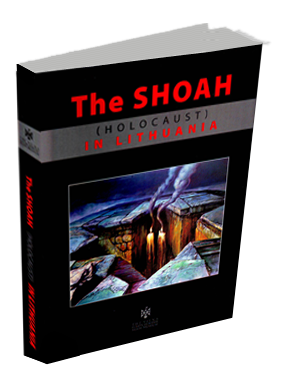 The Shoah (Holocaust) in Lithuania
 The Book of Sorrow (ePUB format)
 The Book of Sorrow (MOBI format)